Capital Gains Tax 2026: Rates, Allowances, and How to Pay Less
Capital gains tax rates and allowances for 2026/27. What you pay, when you pay it, and legitimate ways to reduce your CGT bill.
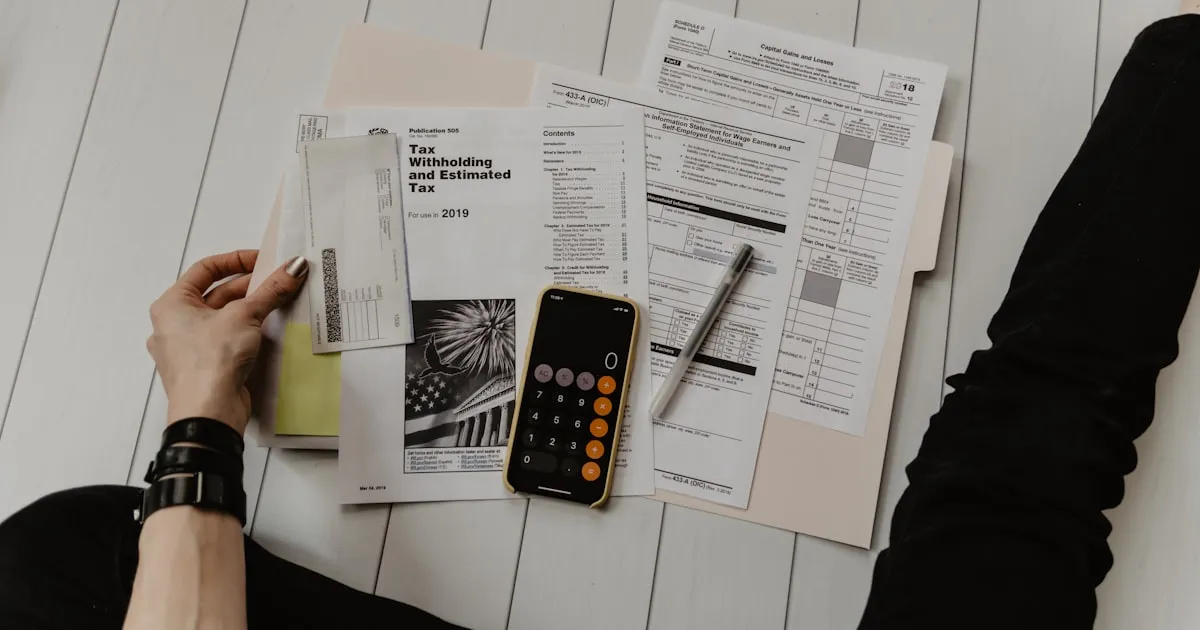
Early in my investing life, I held a chunk of shares outside an ISA. I had not thought about the tax implications at all. When I eventually sold some of them at a profit, I got a rude awakening at self-assessment time. The gain was not massive, but paying tax on money I could have sheltered inside an ISA for free felt like handing HMRC a gift I did not need to give them.
That experience changed how I structured everything going forward. I became obsessive about ISAs, and I have barely had to think about capital gains tax since.
If you are investing, selling property, or sitting on assets that have grown in value, you need to understand how CGT works. Not because it is exciting, but because not understanding it costs real money.
Capital gains tax (CGT) is a tax on the profit you make when you sell or dispose of an asset that has increased in value. It is not a tax on the total amount you receive. It is a tax on the gain: the difference between what you paid for something and what you sold it for.
If you bought shares for £10,000 and sold them for £25,000, your gain is £15,000. That is the figure CGT applies to.
The Annual Exempt Amount for 2026/27
Every individual in the UK gets a tax-free allowance for capital gains each year. For the 2026/27 tax year, the annual exempt amount is £3,000.
This is worth highlighting because it has been slashed in recent years. Back in 2022/23, the allowance was £12,300. It dropped to £6,000 in 2023/24, then to £3,000 in 2024/25 where it has stayed since.
That is a massive reduction. When I first started investing, the allowance was generous enough that most small investors never had to worry about CGT. Those days are gone. The lower threshold means more people are now being caught by CGT than ever before.
CGT Rates for 2026/27
The rate you pay depends on two things: the type of asset and your income tax band.
Residential Property
- 18% for basic rate taxpayers
- 24% for higher and additional rate taxpayers
Other Assets (Shares, Funds, Crypto, etc.)
- 10% for basic rate taxpayers
- 20% for higher and additional rate taxpayers
Your income tax band is calculated by adding your taxable income and your capital gains together. So even if your salary puts you in the basic rate band, a large gain could push part of it into the higher rate.
For example, if your taxable income is £45,000 and you make a £10,000 gain on shares, the first portion that fits within the basic rate band is taxed at 10%, and anything above is taxed at 20%.
What Is Exempt from CGT?
Not everything you sell triggers a CGT bill. Some of the most important exemptions include:
- Your main home (principal private residence relief). If you sell the house you live in, there is usually no CGT to pay.
- ISAs. Any gains made within an ISA are completely tax-free. This is the single biggest reason I bang on about ISAs so much. It is what saved me from repeating my early mistake.
- Pensions. Gains within your SIPP or workplace pension are sheltered from CGT.
- Cars. Personal cars are exempt, no matter how much they appreciate in value.
- Gifts to charity.
- Gains within your annual exempt amount (the £3,000 mentioned above).
The ISA exemption alone should be enough motivation to open a stocks and shares ISA if you have not already. I learned the hard way. You do not have to.
When Do You Pay CGT?
For most assets (shares, funds, crypto), you report and pay CGT through your self-assessment tax return. The deadline is 31 January following the end of the tax year in which you made the gain.
For residential property, the rules are different and stricter. You must report the gain and pay the tax within 60 days of completion of the sale. Miss this deadline and you will face penalties and interest.
Seven Legitimate Ways to Reduce Your CGT Bill
Here is where it gets useful. You do not have to simply accept a large CGT bill. There are several perfectly legal strategies to reduce what you owe.
1. Use Your ISA Allowance Every Year
This is the simplest and most effective approach. The current ISA allowance is £20,000 per year. Any gains made inside your ISA are completely free from CGT. If you are investing outside an ISA when you still have unused allowance, you are volunteering to pay tax you do not need to.
I fill my ISA allowance every year. It is the first thing I do. Everything else comes second.
2. Bed and ISA
Already holding investments outside an ISA? You can sell them, use your annual exempt amount to absorb some of the gain, and immediately repurchase the same investments inside your ISA. This is called a “bed and ISA” strategy. Many platforms like Vanguard and AJ Bell will do this for you in a few clicks.
Going forward, all future growth on those assets is tax-free. This is exactly what I did to fix my early mistake. Sold the shares outside my ISA, absorbed the gain within the exempt amount over a couple of tax years, and rebought inside the ISA wrapper.
3. Transfer Assets to Your Spouse
Transfers between spouses or civil partners are not subject to CGT. If your partner has unused annual exempt amount or is in a lower tax band, transferring an asset to them before selling can reduce or eliminate the tax bill entirely.
Between the two of you, that is £6,000 of annual exempt amount and potentially access to the lower CGT rate.
4. Offset Capital Losses
If you have sold other assets at a loss, you can offset those losses against your gains. You can even carry forward unused losses from previous tax years, provided you reported them to HMRC within four years.
This is something a lot of people forget. If you sold some underperforming shares at a loss last year and reported it, that loss can reduce this year’s CGT bill.
5. Spread Disposals Across Tax Years
You do not have to sell everything at once. By spreading sales across two or more tax years, you can use your £3,000 annual exempt amount multiple times. If you are planning to sell a large holding, timing the sales either side of 5 April can make a real difference.
6. Use Your Pension
If you are a higher earner, making additional pension contributions can reduce your taxable income. Since your CGT rate depends partly on your income tax band, reducing your income could mean your gains are taxed at 10% instead of 20%.
7. Invest in EIS or SEIS
Investments in qualifying Enterprise Investment Scheme (EIS) or Seed Enterprise Investment Scheme (SEIS) companies can offer CGT deferral or exemption. These are higher risk investments and not suitable for everyone, but for those with larger portfolios they are worth exploring with a financial adviser.
The Reporting Rules
If your total gains in a tax year are more than four times the annual exempt amount (so more than £12,000 for 2026/27), you need to report them to HMRC even if you owe no tax after deducting losses and the exempt amount.
If you already file a self-assessment tax return, you report capital gains through that. If you do not normally file one, you may need to register.
For property disposals, remember the 60-day reporting window. Do not let this catch you out.
My Approach
I keep the vast majority of my investments inside ISAs and pensions. That way, I rarely have to think about CGT at all. It took one unnecessary tax bill early on to make me take ISA wrappers seriously, and I have not made the same mistake since.
For anyone building wealth over time, filling your ISA each year is the single best CGT strategy available. It is simple, it is free, and it compounds over decades.
The £3,000 annual exempt amount is not generous. But with a bit of planning, you can structure your investments so that CGT becomes a non-issue for most of your portfolio.
Do not wait until you are about to sell to think about capital gains tax. Plan ahead, use your ISA, and you will keep far more of your returns. I wish I had done that from day one.
Keep reading
Written by Connor
Covering personal finance, investing, and the path to financial independence.
Enjoyed this? Get more like it.
No jargon, no spam. Just honest money tips, weekly.